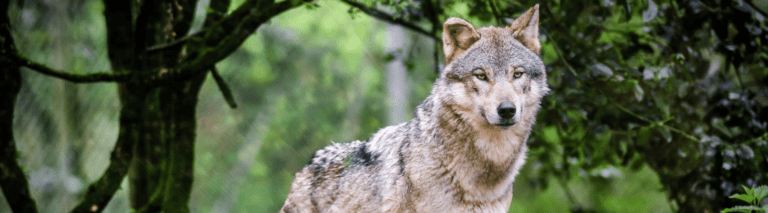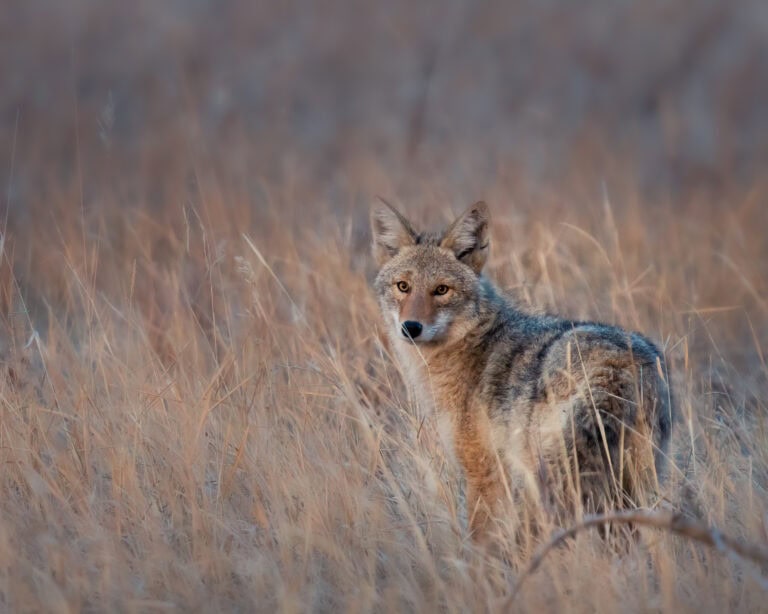


Mange is one of the most visible and misunderstood conditions affecting coyotes and other wild carnivores. Left untreated, it can cause severe suffering and death, yet myths about its causes and spread often lead to fear and stigma toward animals and misguided responses from communities.
Join Project Coyote’s Texas State Coordinator, Karin Saucedo, for a science-based discussion with Dr. Jaime Rudd, Species Research & Recovery Program Manager at the Center for Natural Lands Management, and Elisa (Lisa) Fosco, Director of Animal Care at the Wildlife in Need Center.
Together, they’ll explore the different types of mange, why animals develop the disease, how it affects different species, and what current research and field experience tell us about diagnosis, treatment, rehabilitation, and responsible community response.
Whether you’re a wildlife advocate, rehabilitator, land manager, or simply concerned about the coyotes and other carnivores in your community, this conversation will leave you with a deeper understanding of mange and how to respond to it responsibly.
WHEN: Wednesday, July 22, 11 AM PT / 2 PM ET
WHERE: Zoom
(*Registrants will receive a recording after the live webinar.)
Speakers:
Karin Saucedo, Texas State Coordinator, Project Coyote
Karin is the Texas State Coordinator at Project Coyote. In this role, she helps to expand the organization’s core programs and campaigns throughout Texas.
For over a decade, Karin has been involved in animal rescue, rehabilitation, outreach and advocacy. She spends a lot of her time studying animal behavior remotely through camera traps. Karin’s images have been used to educate communities about coexisting with urban wildlife, document wild canid field research and create awareness about the problems with exotic animal ownership
Outside of Project Coyote, Karin is a Texas Master Naturalist and serves on the Advisory Committee for Texas Native Cats. She also co-founded Song Dog Watch, where she and her husband rescue wildlife and work with local communities providing support and expertise on issues involving coyotes, foxes, and bobcats.
Dr. Jaime Rudd
Species Research & Recovery Program Manager, Center for Natural Lands Management
Dr. Jaime Rudd has over 15 years of experience working with California’s wildlife, specializing in disease ecology, pesticide exposure, wildlife health, and conservation. For the past decade, her work has focused on sarcoptic mange—investigating how it spreads through wild populations and exploring possible intervention strategies to reduce its impact. She has studied mange across a wide host range, from camelids to wild carnivores including coyotes, red foxes, and the endangered San Joaquin kit fox. Jaime earned her B.S. in Cellular and Molecular Biology with a minor in Wildlife Conservation and Management from Humboldt State University, and her Ph.D. in Animal Biology from UC Davis. She spent 12 years with the California Department of Fish and Wildlife as a wildlife health specialist before joining CNLM.
Dr. Rudd will share a research perspective on mange in coyotes and other wild carnivores—exploring the history, biology, and ecology of the disease, why we are seeing it, how it affects different species, and what current research tells us about disease dynamics and intervention strategies.
Elisa (Lisa) Fosco
Director of Animal Care, Wildlife in Need Center (WINC)
Lisa Fosco has been rehabilitating wildlife for nearly 40 years. She is a licensed veterinary technician (CVT), a wildlife biologist (BA), and a certified wildlife rehabilitator (CWR), and has managed high-volume wildlife centers across North America, including the largest wildlife rehab organization in Canada. She has been an instructor for the International Wildlife Rehabilitation Council for over 20 years, teaching professional wildlife medicine and rehabilitation on five continents, with a career-long focus on North American canids and the effects of mange on foxes and coyotes.
Lisa will provide a veterinary and wildlife rehabilitation perspective on recognizing, diagnosing, treating, and managing mange in wild carnivores—discussing practical considerations for field response, rehabilitation, recovery, and release, along with differences in immune response among species that can influence disease progression and outcomes.