

CONTACT:
Amelia Perrin
Communications Manager
P: 919-619-4913
Maine Takes Historic Step to Protect Wildlife from Toxic Rodenticides
Project Coyote Applauds New SGAR Restrictions as National Momentum Builds
LARKSPUR, CA JUNE 10, 2026 – Project Coyote applauds a decision by Maine’s Board of Pesticides Control (BPC) to restrict the consumer use of four of the most dangerous second-generation anticoagulant rodenticides (SGARS), marking a major step forward for wildlife protection in the state.
The BPC’s action follows the passage of LD 356, a 2025 Maine law directing the Board to phase out the use of rodenticides in outdoor residential settings. Under the new restrictions, rodenticides with these ingredients can only be used by licensed applicators and sold by restricted use pesticide dealers. Project Coyote submitted written comments and testified in support of the restrictions during the Board’s public hearing process earlier this year.
“Maine’s decision to restrict these deadly poisons is a victory for every owl, fox, coyote, and bobcat that would have otherwise paid the price for a rodent control choice made by a homeowner miles away,” said Kiely Smith, Project Coyote’s State Advocacy Manager. “We will keep pushing for additional, commonsense policies, in Maine and beyond, to protect wild carnivores from dying from a poison they never chose to encounter.”
“Maine Audubon commends the Board of Pesticides Control’s decision to restrict the most dangerous rodenticides in our state,” says Maine Audubon Policy Advocate Anthony Erwin. “This restriction will help Maine wildlife, and we look forward to working with the BPC on additional rodenticide restrictions in the future.”
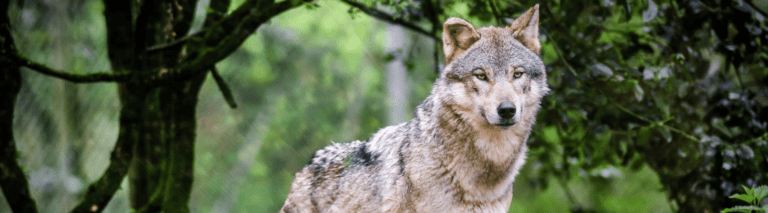
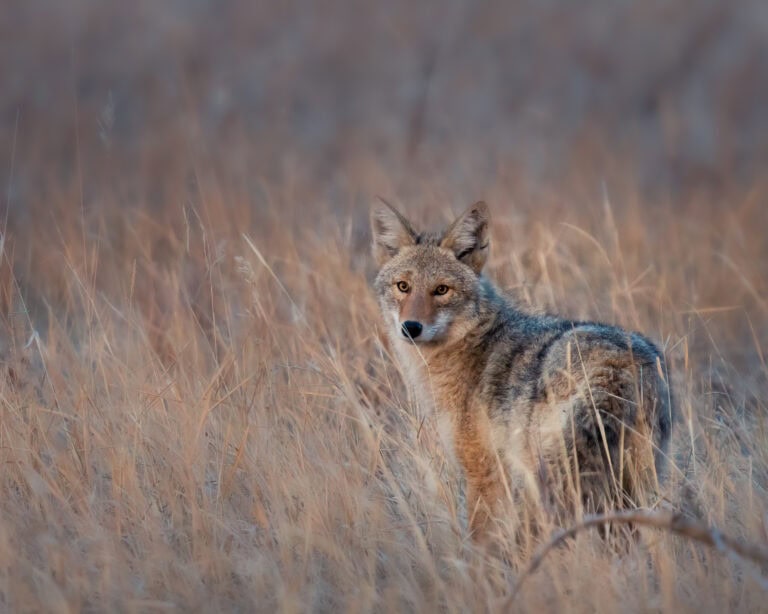
SGARs are among the most toxic and environmentally persistent rodenticides available. Because poisoned rodents remain toxic to predators and scavengers, including coyotes, foxes, bobcats, owls, hawks, and eagles, these poisons move up the food chain through a process called secondary poisoning.
Wildlife agencies and rehabilitation organizations across the country have documented alarming rates of exposure. In California, the Department of Fish and Wildlife found rodenticides in 88% of raptors, including bald eagles, 100% of barn owls, 92% of gray foxes, and 90% of mountain lions. In Maine, state sampling detected rodenticides in four out of four bears and four out of six hawks tested in 2024. And in Massachusetts, the New England Wildlife Center reported that they see between 100 and 200 cases of secondary poisoning each year.
Beyond acute mortality, research increasingly links chronic SGAR exposure to immune suppression and the spread of mange in wild carnivores – a painful and often fatal condition that is being reported at high rates in fox, coyote, bobcats, and other carnivore populations across the country.
Maine joins a growing list of states taking action. California, Connecticut, South Carolina, and Vermont have all adopted restrictions on SGARs, and legislation or regulatory proceedings are underway in numerous additional states.
Project Coyote has supported efforts for these bans and is working with legislators, wildlife managers, and coalition partners to advance science-based restrictions that protect both wildlife and ecosystems. In 2026, Project Coyote worked with policymakers to introduce landmark rodenticide restriction bills in both Vermont and Colorado.
In Maine, Project Coyote is proud to support Maine Audubon and the newly-formed coalition Rodenticide-Free Maine to advance further protections under the full mandate of LD 356, which directs the BPC to ultimately prohibit outdoor residential rodenticide use. This is a goal the coalition will continue to pursue.
“Rodenticides are an invisible but devastating threat to wild carnivores and the ecosystems they anchor,” said Smith. “What’s happening in Maine is proof that science-based advocacy, strong coalitions, and engaged citizens can drive policy change that makes a meaningful difference for wildlife—in this case, helping animals live healthier lives free from preventable poisoning.”
For more details about rodenticides, view Project Coyote’s rodenticide factsheet and Coyote Friendly Communities: Deadly Rodenticides Video.
Project Coyote recently held a webinar on rodenticides and is hosting another in July covering mange to ensure the public is equipped with the knowledge and resources about wildlife in their area.
Project Coyote is a fiscally sponsored project of Earth Island Institute, a 501c3 nonprofit. Project Coyote’s mission is to promote compassionate conservation and coexistence between people and wildlife—particularly North America’s wild carnivores—through education, science, advocacy, and coalition building. Led by scientists, educators, and wildlife advocates, Project Coyote works to change policies and perceptions to protect wild carnivores and foster ethical, ecologically sound stewardship.
Learn more at www.projectcoyote.org.
###